Manila emerges as a top-three market for Russian pork exports
The Philippines has quietly moved into the ranks of the world’s top buyers of Russian pork, following the arrival of its first containerized shipments—a development that signals a new phase in bilateral agricultural trade.
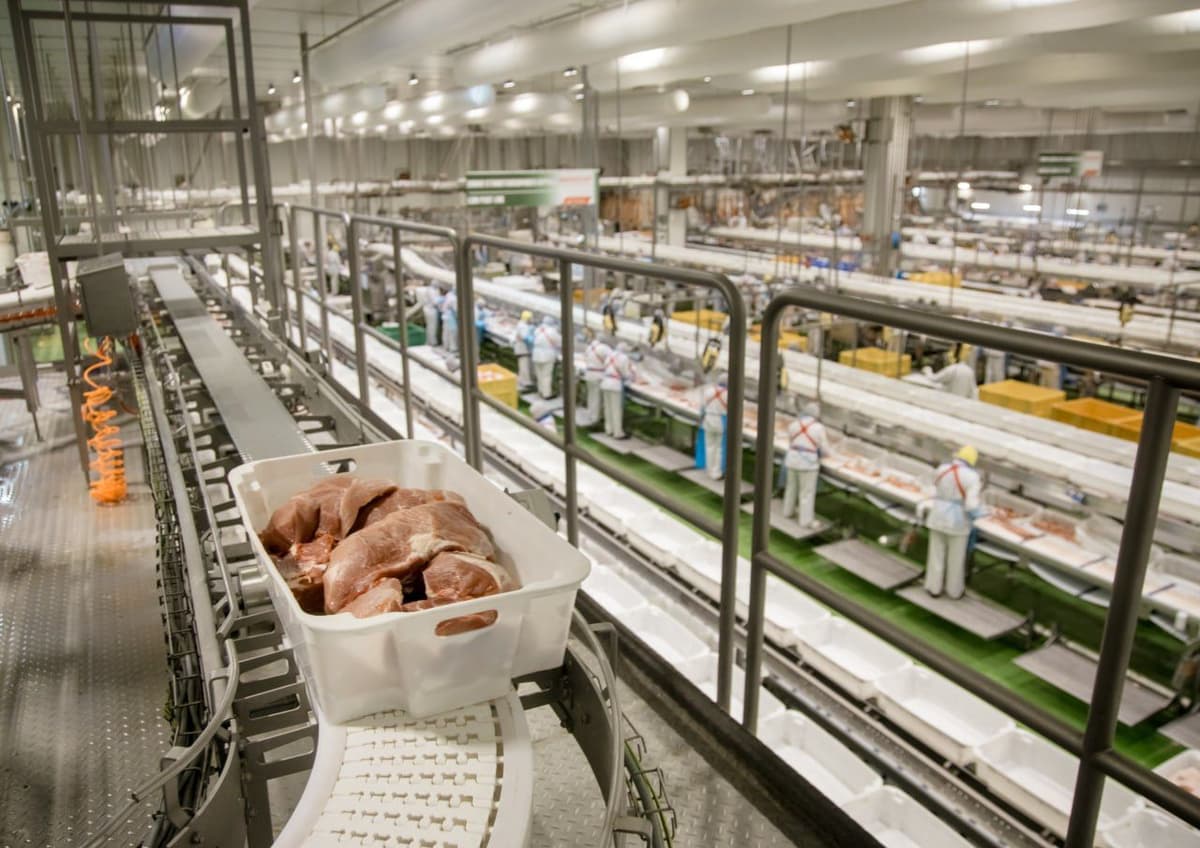
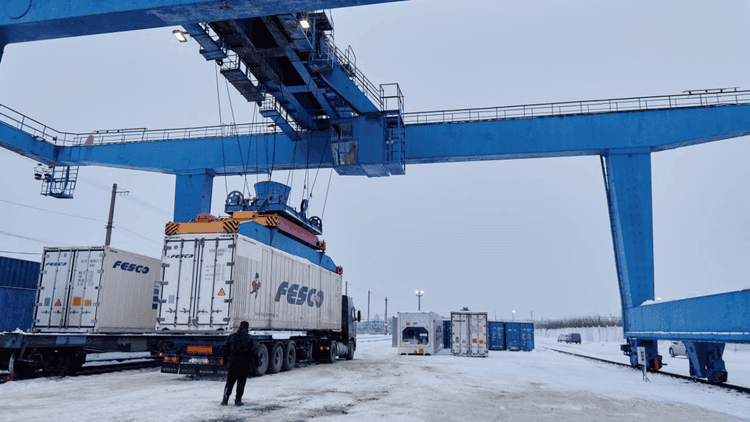
The first container of Russian pork shipped to the Philippines, supplied by Miratorg Agribusiness Holding. (Photo courtesy of Miratorg)
On March 19, the initial consignment of Russian pork reached Philippine ports. Data from Russia’s Agroexport Center shows that, in just the first two months of the year, exports to the Philippines exceeded 2,700 tonnes, with a total value of more than $7 million. That volume alone has been enough to place the country among Russia’s three largest pork markets globally.
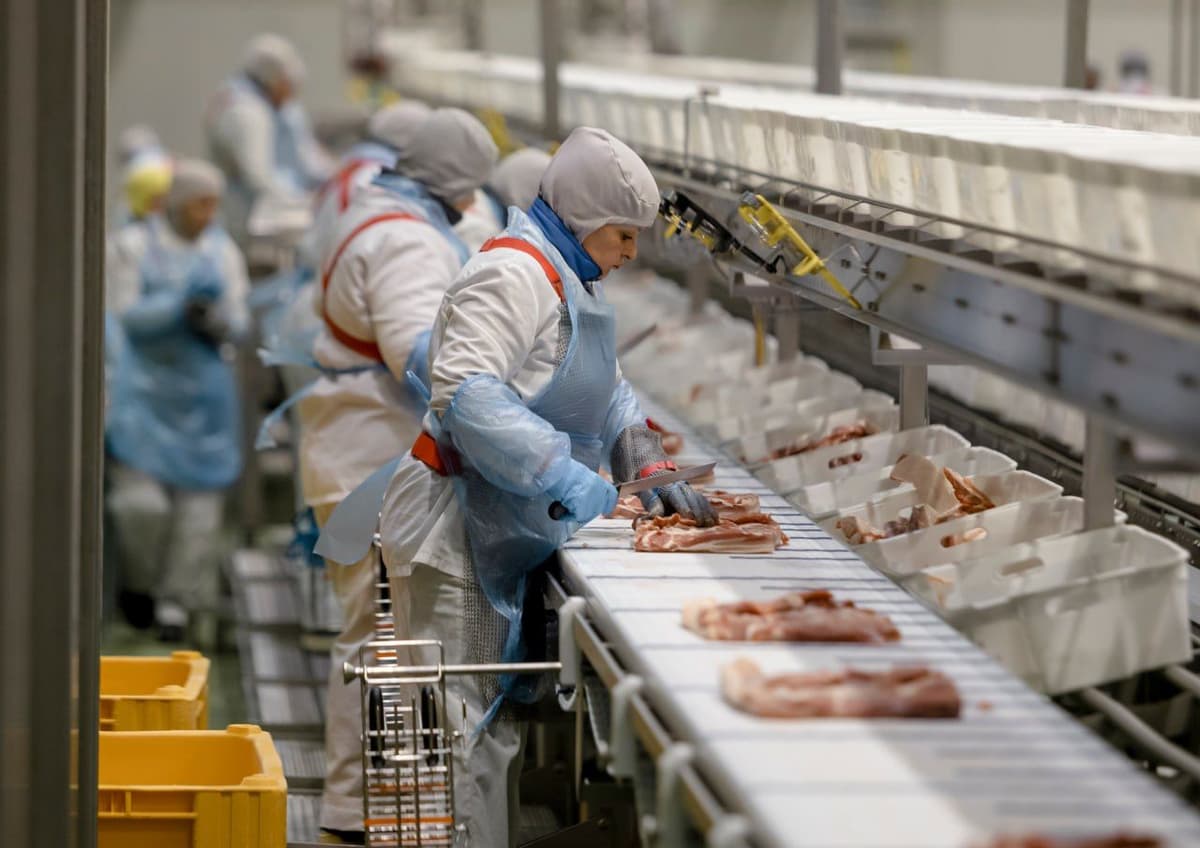
The first container of Russian pork shipped to the Philippines, supplied by Miratorg Agribusiness Holding. (Photo courtesy of Miratorg)
The timing is notable. Global food prices remain under pressure, and supply chains continue to adjust to lingering disruptions. Against this backdrop, Russian pork is entering the Philippine market at highly competitive price points. Industry observers say the added competition could help temper domestic pork prices—or at least slow their upward climb—in the months ahead. Import volumes are expected to increase further as trade gains momentum.
Still, expectations are being managed. Both Russian and Philippine stakeholders acknowledge that any meaningful impact on retail prices will depend on the consistency and scale of supply over time.
Alexander Syrtsev, Russia’s agriculture representative in the Philippines, underscored this point, noting that the current shipments should be seen as an entry phase rather than a market shift.
“We are pleased that Russian pork has finally entered the Philippine market—this is a significant step after years of restrictions,” Syrtsev said. “But if we are to see a real effect on retail prices, volumes will need to grow substantially and, more importantly, remain consistent. As a new supplier, we understand that local buyers are cautious and are taking time to evaluate the product and build confidence.”
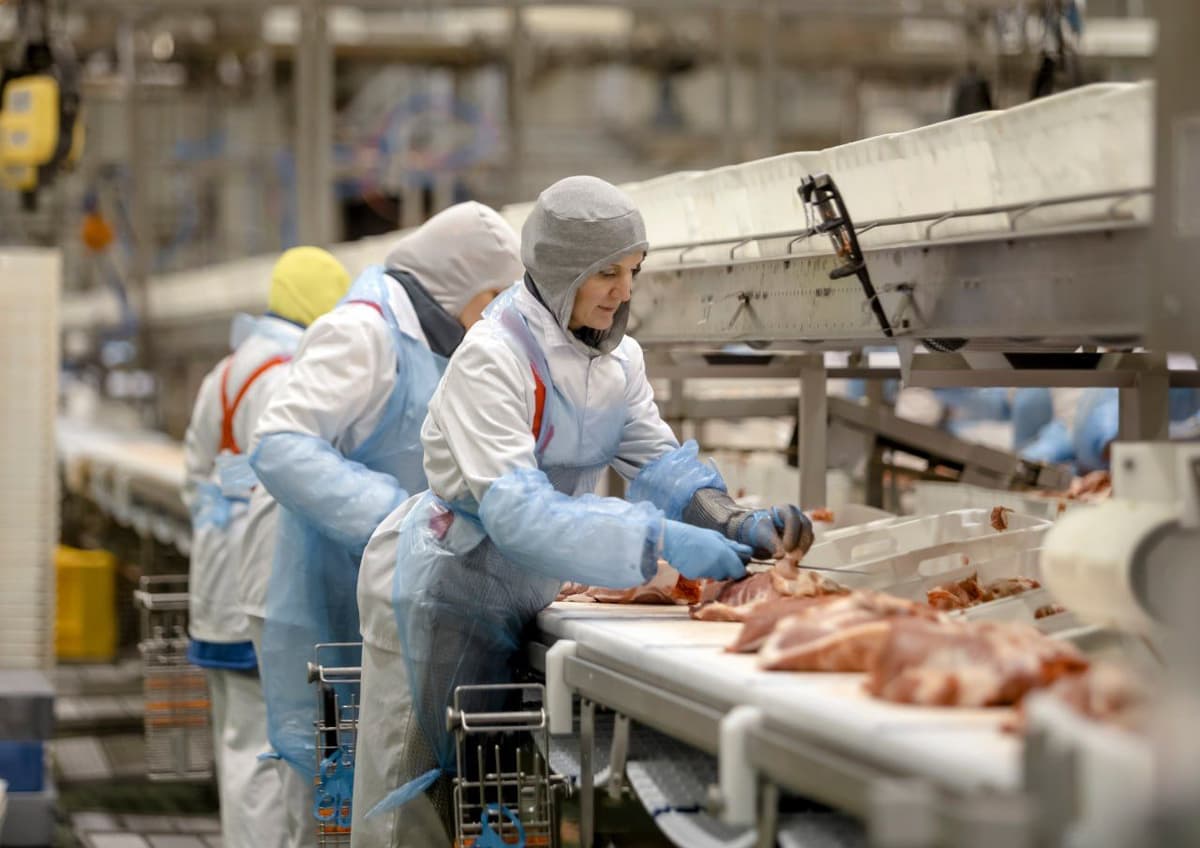
The first container of Russian pork shipped to the Philippines, supplied by Miratorg Agribusiness Holding. (Photo courtesy of Miratorg)
For now, Russia remains a relatively new entrant in the Philippine pork market. However, its experience elsewhere in Southeast Asia suggests room for rapid expansion. In Vietnam, for instance, Russian pork has surged from negligible levels to account for more than 46 percent of total imports by 2025, driven by a combination of affordability and perceived quality.
Back in the Philippines, the re-opening of the market marks a shift from years of limited engagement. Trade had long been constrained by distance and, more recently, by veterinary restrictions linked to African Swine Fever (ASF). Following Russia’s success in containing the disease, Philippine authorities moved to recognize its regionalization system, formally lifting the import ban in late 2025 through Administrative Order No. 12.
As shipments begin to scale up, both governments and industry players will be watching closely—testing not just market reception, but whether Russian pork can play a role in improving food security and easing price pressures for Filipino consumers.