PASAY CITY, Philippines – Government leaders and international organizations have renewed their collective commitment to end violence against children, strengthening global cooperation and pushing for practical solutions to ensure that every child grows up in a safe and protective environment.
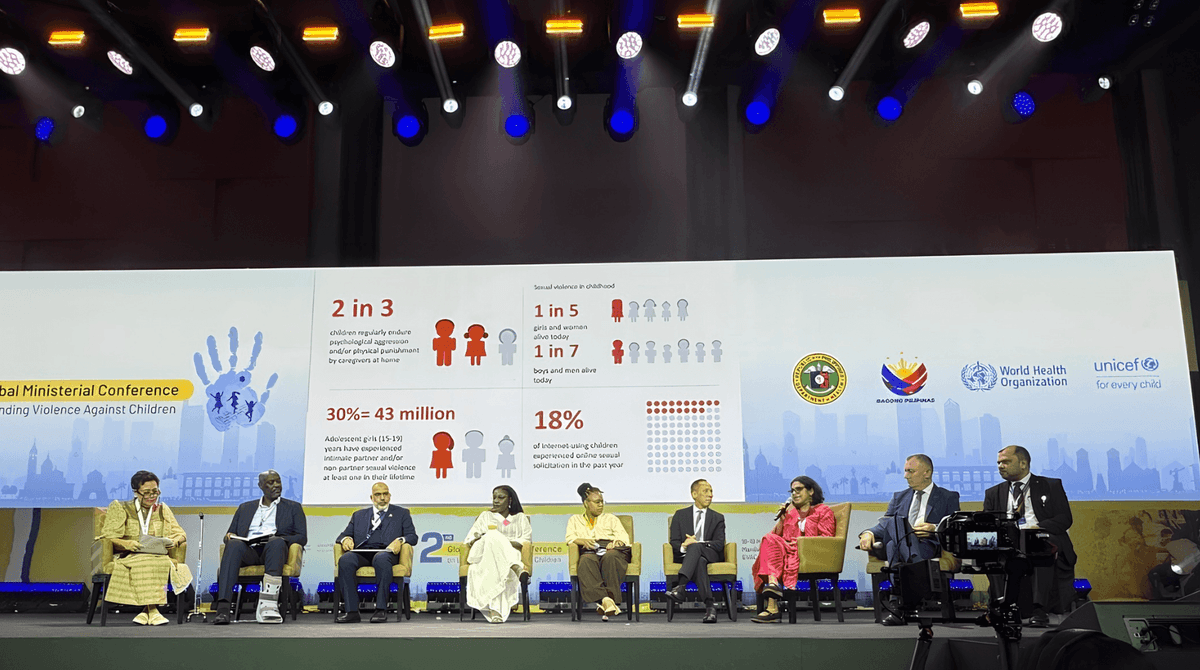
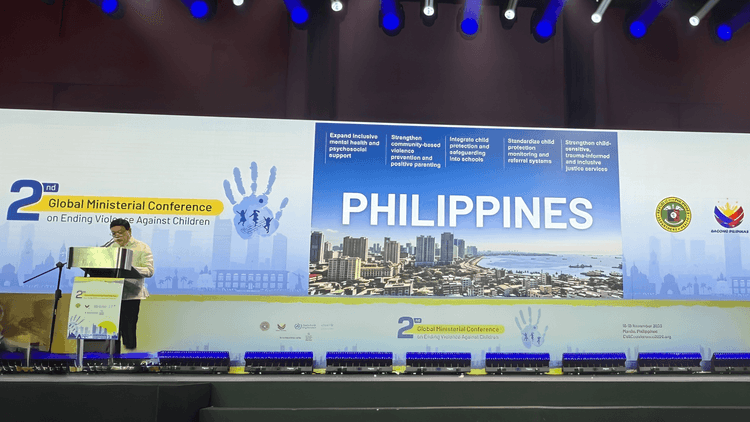
This was the central message of the 2nd Global Ministerial Conference on Ending Violence Against Children, co-organized by the Philippines through the Department of Health (DOH) as host, together with World Health Organization (WHO) and the United Nations Children’s Fund (UNICEF) and in collaboration with the Special Representative of the UN Secretary - General on Violence Against Children (SRSG-VAC) on November 18 and 19 at the Manila Marriott Hotel.
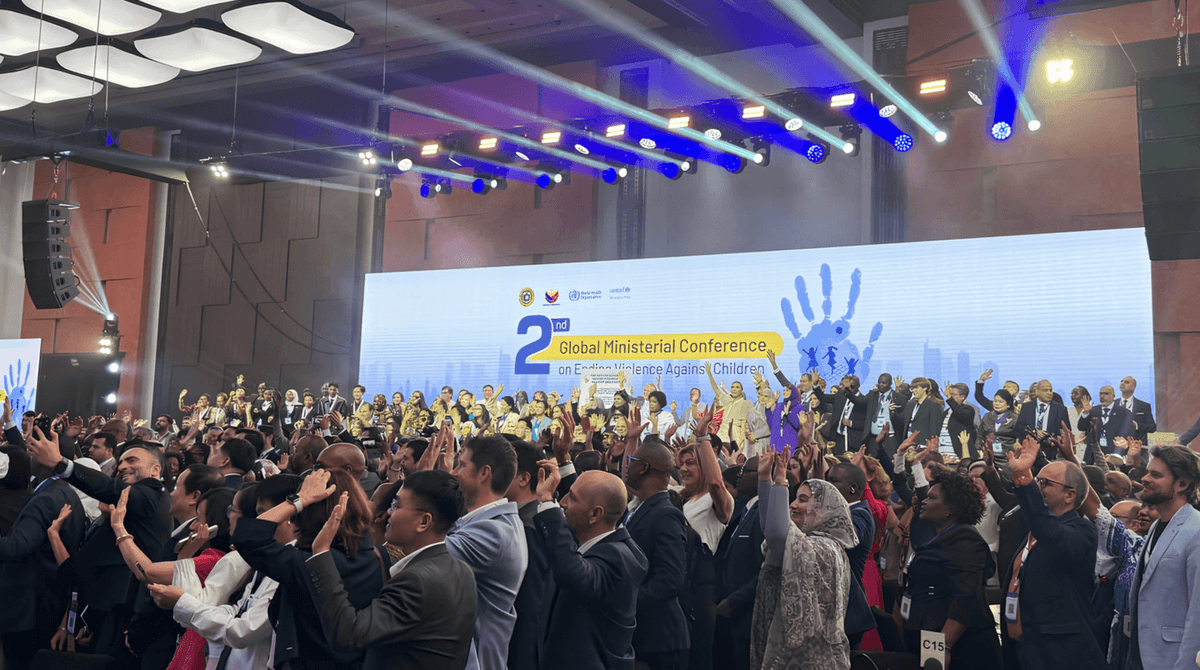
Under the theme, “Prevention at Scale: Ending Violence Against Children in, and through, Homes and Schools,” the conference brought together government leaders, international organizations, and child protection advocates to strengthen commitments and accelerate action against all forms of violence affecting children.
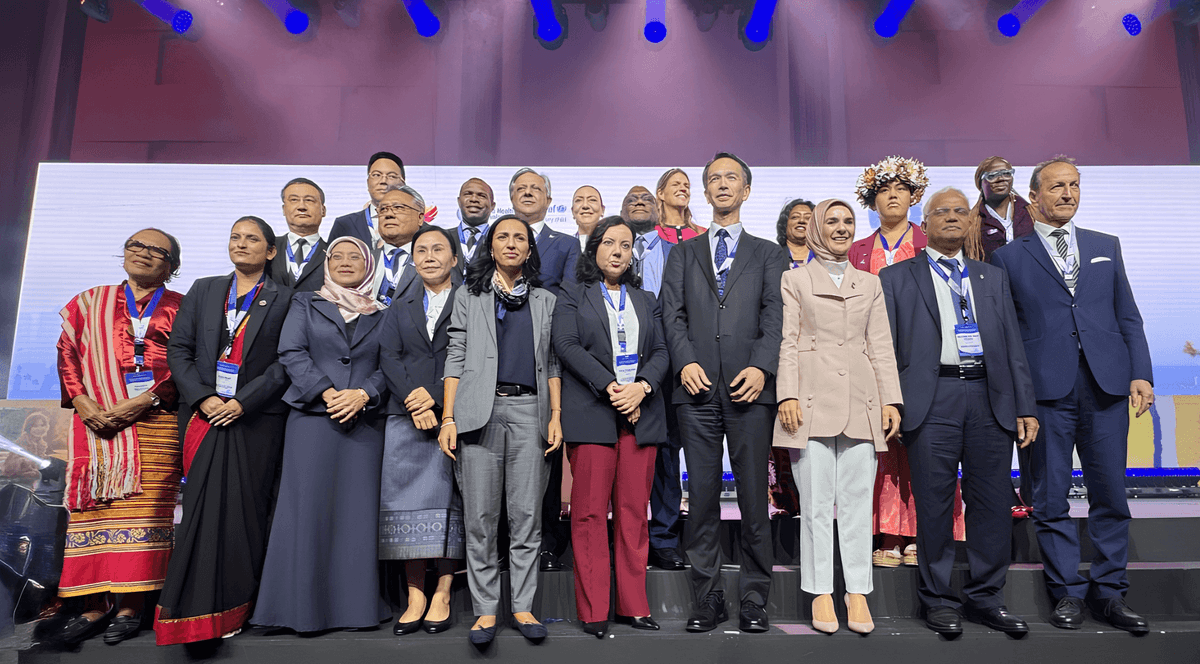
Building on the momentum of the inaugural conference in Bogotá, Colombia, in 2024, which generated nearly 400 pledges from 109 countries, the Manila gathering underscored the need to turn these commitments into sustained government policies, adequate funding, and measurable results.
Among the key priorities highlighted were Three Proven Breakthrough Solutions:
- Strengthening Support for Parents and Caregivers, Ensuring Safe and Enabling Schools, and Building Responsive Child Protection Systems.
These solutions recognize that protecting children requires action not only from families but also from educational institutions, health services, local governments, communities, and the justice system.
WHO Director of the Department of Health Determinants, Promotion and Prevention Dr. Etienne Krug and UNICEF Deputy Executive Director Ted Chaiban were among the international leaders supporting the call for stronger multisectoral cooperation and evidence-based approaches to prevent violence before it happens.
The conference also placed emphasis on emerging threats, particularly technology-facilitated and online violence, as well as the increased vulnerability of children affected by humanitarian emergencies and climate-related disasters.
With millions of children worldwide continuing to experience physical and psychological violence, the conference highlighted the urgency of moving beyond declarations and strengthening accountability for every commitment made.
For the Philippines, Department of Health Secretary Edwin M. Mercado announced the government’scommitment to Expand inclusive mental health and psychosocial support, Strengthen community - based violence prevention and positive parenting, Integrate child protection and safeguarding into schools, Standardize child protection monitoring and referral systems and Strengthen child-sensitive, trauma-informed and inclusive justice services.
Ultimately, the renewed partnership among governments, global organizations, and communities sends a clear message: ending violence against children is a shared responsibility that demands sustained political will, investment, and collective action.
Because protecting children is not simply a promise made at a global conference—it is a commitment that must be fulfilled every day, in every home, every school, and every community.