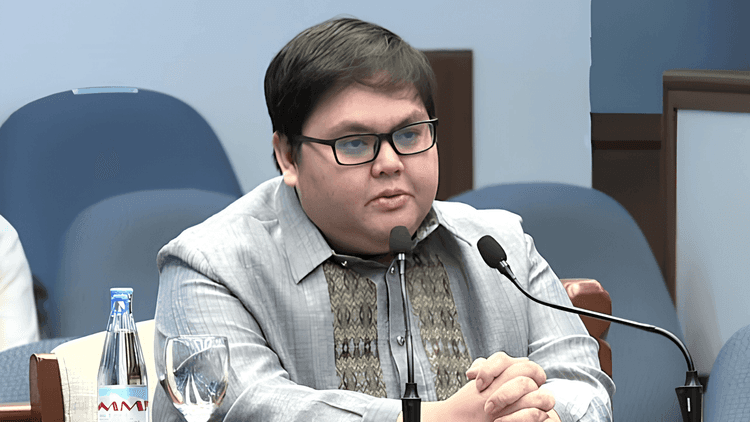
Early signs from Moderna's personalized mRNA cancer therapy developed with Merck, and used in combination with Keytruda, are a "big deal", said Dr. Ryan Sullivan.
The therapy could see a reduction in the risk of melanoma recurrence and could open the door to increasingly personalized treatments for other types of cancer.
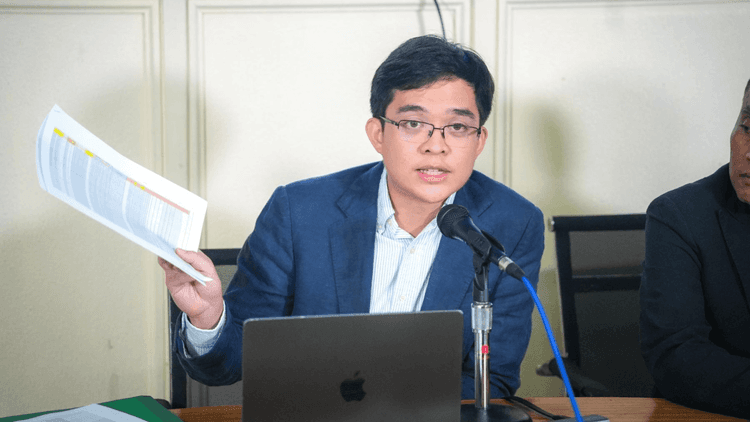
Sullivan is the director of the Cutaneous Medical Oncology Program at Massachusetts General Brigham Cancer Institute. He told Reuters the announcement of the interim results released on Wednesday (August 19) are "clinically meaningful".
He added that he is interested in seeing more details about the hazard ratio -- specifically how much the treatment reduced the risk of recurrence and metastasis.
The cancer treatment combines Merck's Keytruda with a made-to-order mRNA vaccine from Moderna that is based on an analysis of mutations found in the patient's own tumors.
The trial enrolled 1,137 high-risk patients with stage IIB-IV melanoma that had been surgically removed.
Volunteers were randomized to receive up to nine doses of Keytruda plus the personalized vaccine or Keytruda alone for about one year. The companies said no new safety signals have emerged in the trial.
Sullivan believes the treatment could be approved by the Food and Drug Administration (FDA) for wider use within the next two years and notes the actual process of creating the personalized treatment takes about a month to six weeks.
The production of personalized vaccines is expected to bring with it manufacturing and distribution challenges, Sullivan said.
Because it's an individualized drug, its necessary to have stricter criteria for the handling of samples as well as the shipping and distribution of the vaccine, Sullivan told Reuters.
Melanoma is the deadliest form of skin cancer. In 2023, there were more than 1.5 million people in the U.S. living with melanoma, according to the National Cancer Institute.
Posted by: AAngeles/NET25 News