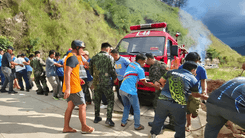
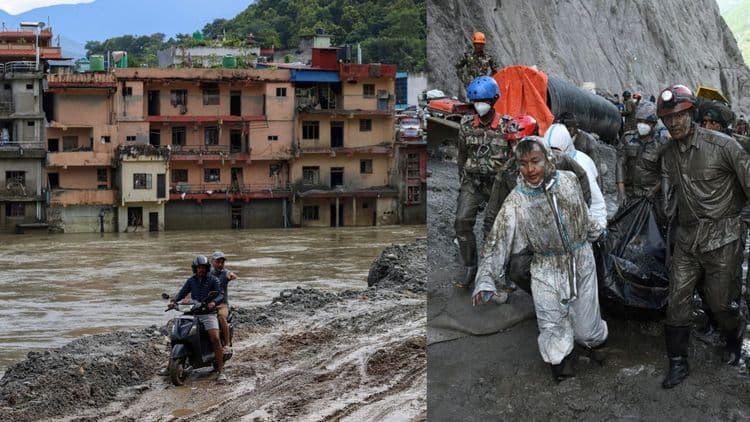
Climate change likely helped create the conditions that triggered a catastrophic glacier collapse in the Himalayas in late August, which flooded parts of Nepal and Tibet and killed around 1,400 people, according to scientists.
Researchers from World Weather Attribution said unusually high temperatures contributed to glacier thinning, permafrost thaw and increased meltwater around Langtang Lirung mountain.
Average temperatures across the Himalayan region were about 5 degrees Celsius above normal in August, with researchers attributing about 1.5 degrees of that increase to human-caused climate change.
Scientists said the mountain was already geologically vulnerable and may have been weakened by a magnitude 7.8 earthquake in 2015.
However, continued glacier and permafrost retreat, combined with exceptional warmth and excessive meltwater, likely further destabilized the slope before its collapse.
Photo: Reuters