
The Philippine Institute of Volcanology and Seismology on Tuesday, Sept. 1, warned of an increase in sulfur dioxide emission from Mayon.
PHIVOLCS said SO2 gas from the summit crater reached "a very high emission rate" of 7115 tons per day as of August 31, the second-highest emission from Mayon since volcanic gas concentrations began decreasing on July 16.
When the alert level of the volcano was lowered to 2 on Aug. 5, PHIVOLCS said SO2 gas emission averaged only 3844 tons/day.
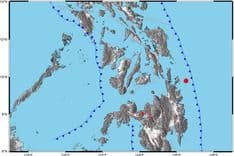
"This abrupt rise has been accompanied by a slight increase in the occurrence of low frequency volcanic earthquakes or LFVQs that are attributed to volcanic degassing," PHIVOLCS said, adding that it could forewarn of "a potential shift to renewed eruptive activity at the summit crater" that could produce "volcanic hazards all around the volcano.."
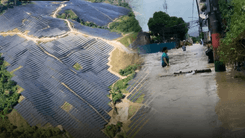
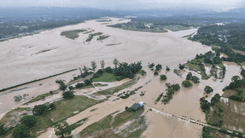
It said the impacts of these hazards could be exacerbated by the poor weather conditions.
According to PHIVOLCS, the ban on the 6-kilometer radius Permanent Danger Zone should remain.
Pilots should also refrain from flying close to the volcano, it said.
Mayon is still under alert level 2.