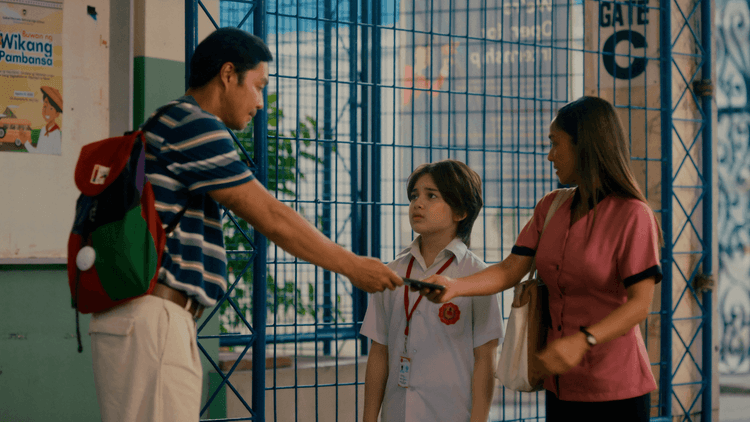
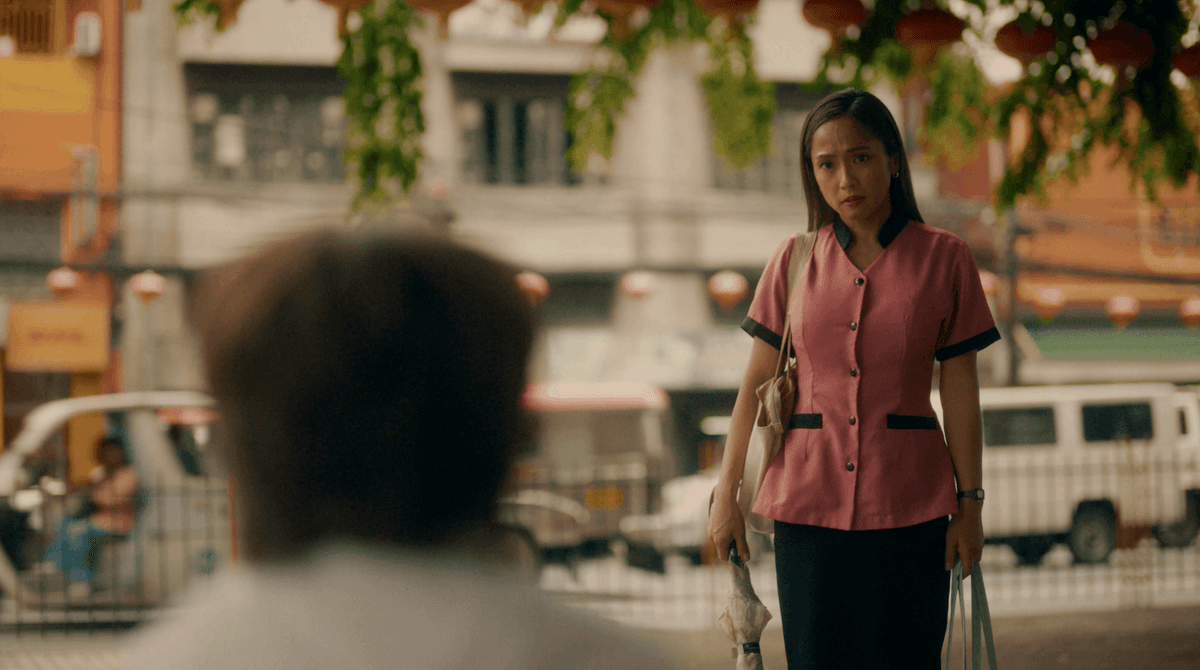
At the heart of “Apol of My Ai,” one of seven full-length films competing in the 2026 Puregold CinePanalo Film Festival, is a story about first love, family and growing up.
But listen closely, and another love story begins to emerge—one that connects a young Filipino boy to a musical tradition that generations before him grew up singing: kundiman.

Apol (Zion Cruz) discovers kundiman through the chorale, learning and performing the songs under Ma’am Ai (Rochelle Pangilinan), his first crush.
Directed by Thop Nazareno, “Apol of My Ai” follows Apolinario “Apol” Medina Jr. (Zion Cruz), a grade-school boy who develops an innocent crush on his music teacher, Ma’am Ai (Rochelle Pangilinan). When Apol joins the Quiapo Elementary Chorale, music suddenly becomes a bigger part of his young world.
Seen through the eyes of a child experiencing his first crush, Apol of My Ai gives audiences a fresh way of encountering kundiman, often linked to an older generation.
Soon, it also becomes a way for him to make sense of the complicated changes unfolding within his family.
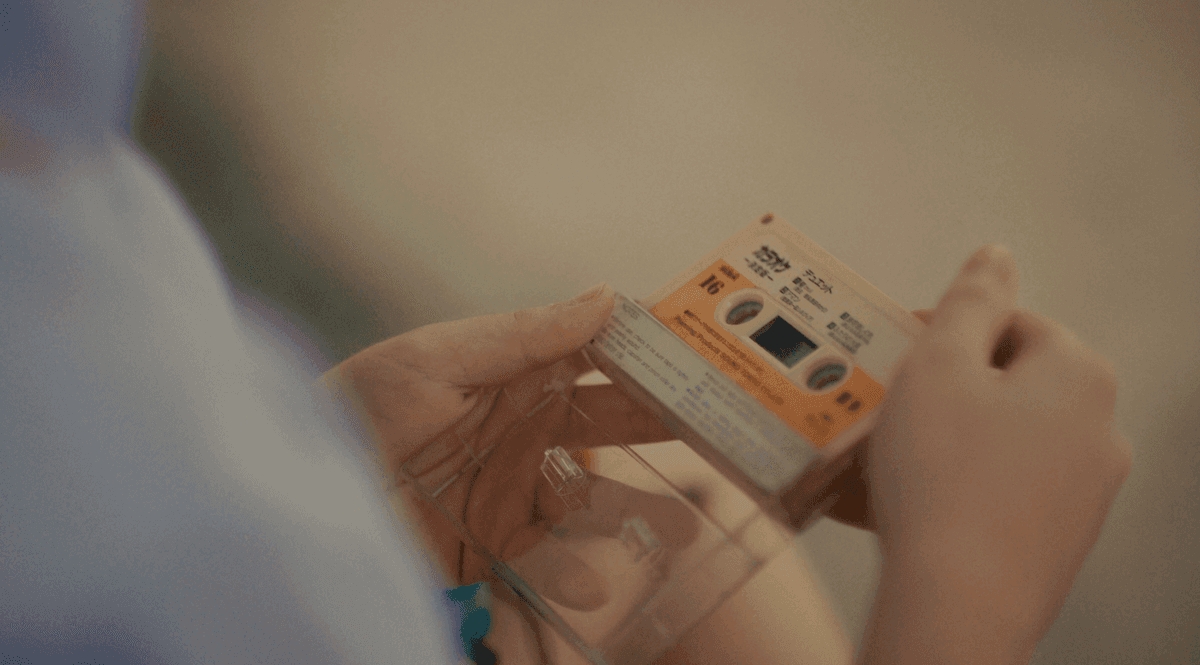
Kundiman, featured in the film Apol of My Ai, has a rich musical history, commonly associated with love and serenades, but later on symbolizing love of country and liberation.
Giving this musical journey its distinctly Filipino soul is kundiman, a traditional Filipino song form with roots stretching back to the 19th century and closely associated with expressions of love, longing and devotion.
While kundiman began as an oral tradition commonly associated with love and serenades, it eventually developed into a formal art-song tradition in the late 19th and early 20th centuries. Renowned composers such as Francisco Santiago and Nicanor Abelardo helped shape and popularize the form, securing kundiman a lasting place in Philippine classical music.
But the history of kundiman extends beyond romantic love. The form also became associated with love of country and the Filipino struggle for freedom. “Jocelynang Baliwag,” for instance, became associated with the Philippine revolutionary movement and came to embody a deeper longing for liberation.
This connection between personal and patriotic love reveals how deeply kundiman is woven into the country’s musical heritage—and makes its place in “Apol of My Ai” all the more meaningful.
Rather than using kundiman simply as part of its soundtrack, the film brings the tradition directly into the lives of its characters.
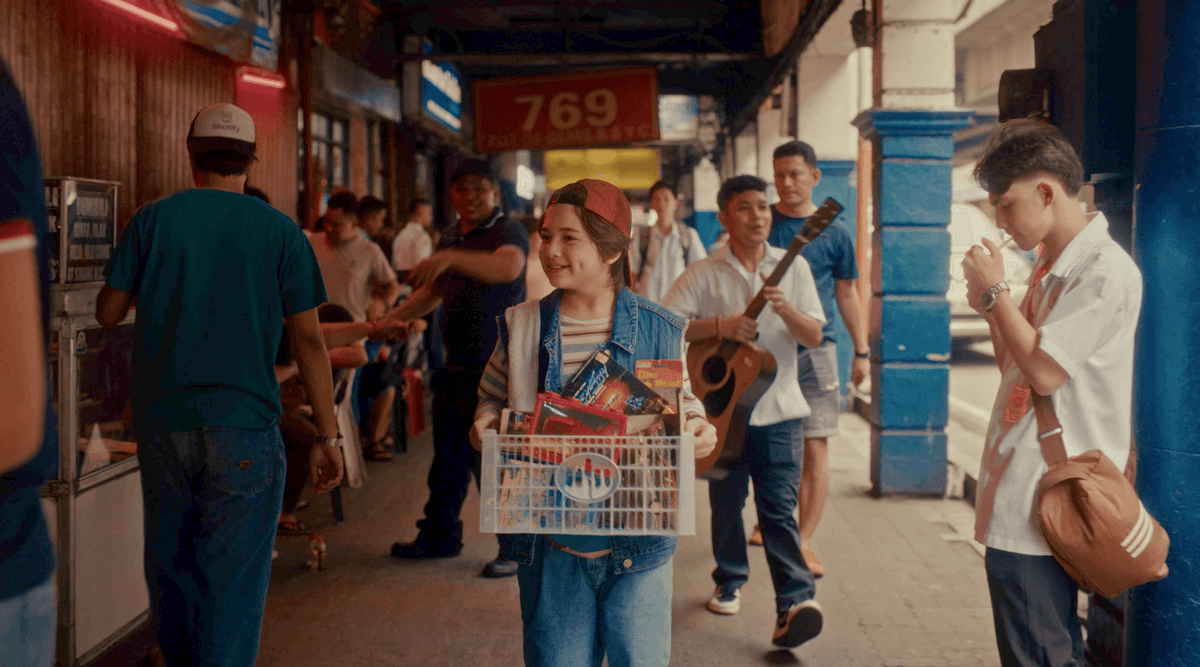
Aside from tackling the themes of first love, family, and growing up, Puregold CinePanalo’s Apol of My Ai connects a young Filipino boy to the beautiful tradition of kundiman.
Apol discovers kundiman through the chorale, learning and performing the songs alongside other young singers under Ma’am Ai. As he encounters unfamiliar emotions—including the thrill and confusion of a first crush—the music gives him another language through which to understand love.
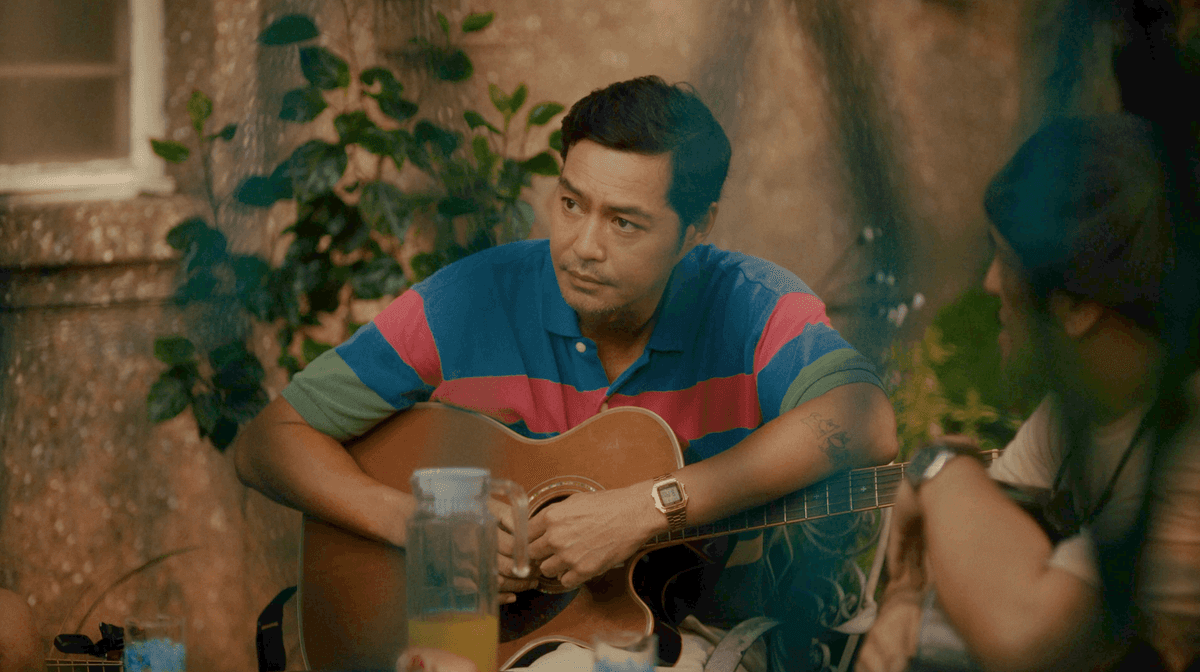
Apol’s father, Poli (Zanjoe Marudo) performs kundiman and other Filipino classics as part of his band.
His father, Tatay Poli (Zanjoe Marudo), has his own relationship with the tradition.
An overseas Filipino worker, Poli performs kundiman and other Filipino classics as part of a band. His experience offers a striking parallel to Apol’s introduction to the same music through his school chorale, connecting father and son through songs written long before either of them was born.
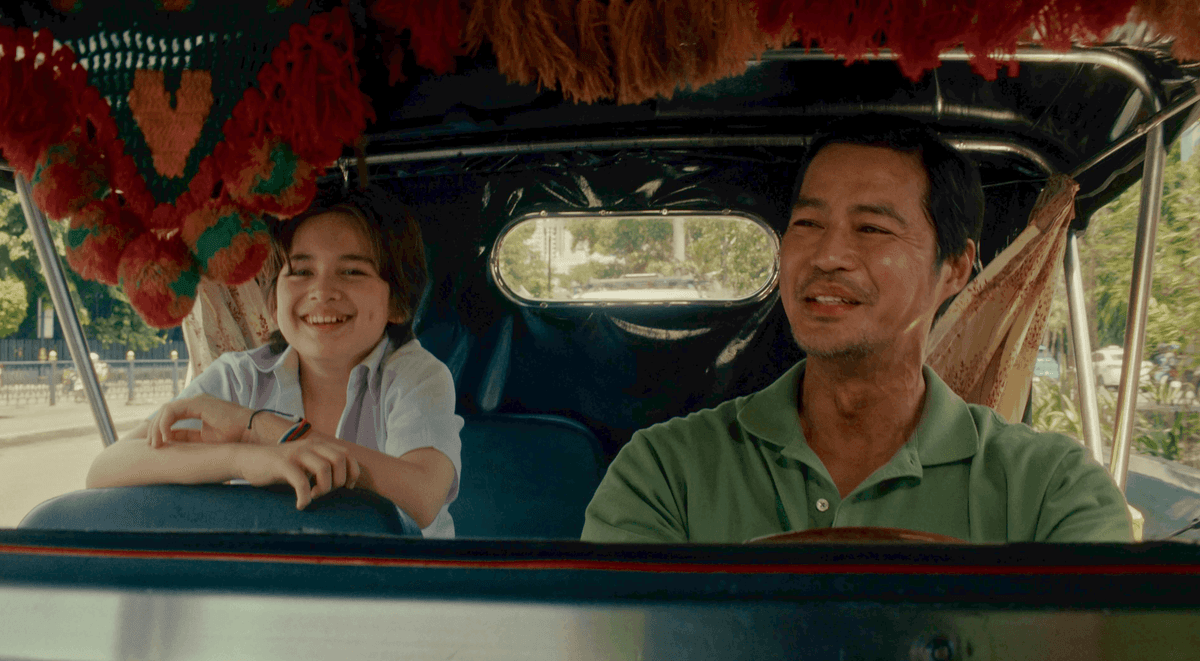
In Apol of My Ai, audiences will discover whether the music of kundiman can become one of the bridges between Poli and Apol, as they face complexities in their relationship as father and son.
That connection becomes even more meaningful in a story about a father and son whose relationship is tested by change. Audiences will discover whether music can become one of the bridges between Poli and Apol when words alone are not enough.
The film brings kundiman to life through a selection of beloved Filipino pieces. Among the songs featured are Nicanor Abelardo’s “Bituing Marikit,” Rick Manrique’s “Ikaw ang Ligaya Ko” and Francisco Santiago’s “Ano Kaya ang Kapalaran.”
“Apol of My Ai” also features “Mutya ng Irog,” with music by Emerzon Texon, the film’s musical scorer, adding another layer to its celebration of Filipino music and its enduring place across generations.
Perhaps one of the film’s most touching ideas is simply seeing—and hearing—young students perform kundiman themselves.
For Apol and his classmates, these songs are no longer artifacts from another era. Kundiman becomes something alive—something they learn, sing, feel and eventually make their own.
Through the eyes of a child experiencing his first crush, “Apol of My Ai” gives audiences a fresh way of encountering a musical tradition often associated with an older generation. Songs about love and longing suddenly acquire new meaning when filtered through Apol’s innocent discoveries, even as the adults around him grapple with far more complicated emotions of their own.
The music also gives the film another layer of Filipino identity. Its themes—first love, jealousy, family and growing up—may be universal, but the musical language through which many of those emotions are expressed remains unmistakably Filipino.
And that raises an intriguing question: What happens when a musical tradition is handed from one generation to the next?
What can kundiman still say to Filipino children growing up in an age when virtually any song from anywhere in the world is only a swipe away?
Through Apol’s journey, the film suggests that music does not have to remain frozen in the past. It can carry memories across generations, be rediscovered by younger voices and acquire entirely new meanings through the people who continue to sing it.
Perhaps that is where kundiman finds its most beautiful place in “Apol of My Ai”—not as nostalgia, but as something alive.
A song inherited by one generation and sung again by another.
“Apol of My Ai” is one of seven full-length entries in the 2026 Puregold CinePanalo Film Festival.
The Puregold CinePanalo Film Festival runs from September 23 to October 4 at Gateway Cineplex 18, TriNoma, Fairview Terraces, Ayala Malls Feliz, Ayala Malls Circuit, Ayala Malls Manila Bay and Market! Market!
Tickets are priced at ₱250 regular and ₱200 discounted. A ₱2,000 festival pass gives moviegoers access to all seven full-length films and four student short-film sets. PWDs, senior citizens, students, national athletes, and Aling Puring and Perks cardholders qualify for discounted tickets.
Festival passes will be available at Gateway Cineplex 18 beginning September 22 and at TriNoma beginning September 23.