U.S. envoy Steve Witkoff will meet Russian President Vladimir Putin on Wednesday after what a U.S. official called productive talks with Ukrainian President Volodymyr Zelenskiy in Norway. President Donald Trump is pressing Kyiv to negotiate an end to the war.
The Oslo meeting, attended by Norwegian Prime Minister Jonas Gahr Stoere, Finnish President Alexander Stubb and European and NATO representatives, focused on Ukraine’s new proposals and a coordinated approach to Moscow. Discussions included security guarantees, postwar economic recovery and Europe’s future security framework.
Witkoff’s meeting aims to pave the way for direct negotiations involving Ukraine, Russia and the United States.
ZELENSKIY SEEKS STRONGER U.S. SUPPORT
Relations between Washington and Kyiv remain strained over Trump’s outreach to Moscow and uncertainty surrounding U.S. military assistance.
After the Oslo talks and a phone call with U.S. Secretary of State Marco Rubio, Zelenskiy said Ukraine was again receiving early warnings of Russian missile attacks. They also discussed Patriot air defense interceptors and Starlink, the satellite communications system operated by Elon Musk’s SpaceX.
Zelenskiy said Kyiv was seeking security guarantees modeled on NATO’s Article 5, which treats an attack on one member as an attack on all. He reiterated his call for a meeting between the Ukrainian, Russian and U.S. leaders to address key issues in ending the war.
Stoere described the Oslo talks as constructive, while Stubb said the peace process was back on track.
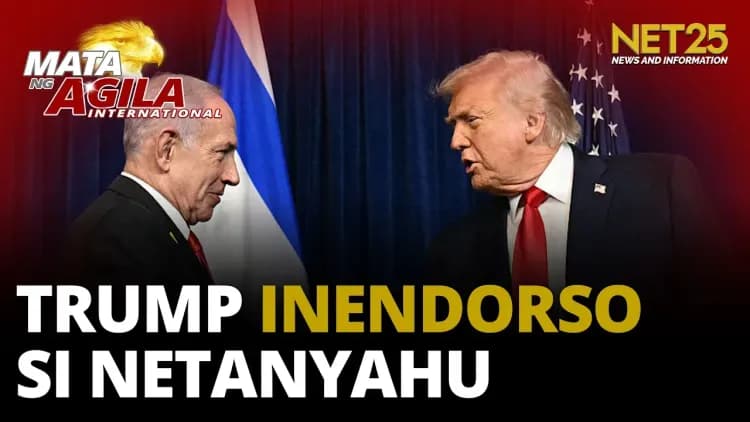
Trump, however, urged Ukraine to make a deal, saying Russia wanted to end the conflict. He also cited Moscow’s continued battlefield advances.
QUESTIONS OVER WEAPONS AND STARLINK
The Trump administration has largely stopped direct U.S. weapons transfers to Ukraine, although European countries can purchase American arms for Kyiv through the Prioritised Ukraine Requirements List program.
A source familiar with the matter said most deliveries were continuing, but Defense Secretary Pete Hegseth had not approved Ukraine’s latest requests for Patriot interceptors.
Rubio acknowledged that a shipment purchased by European countries might not have arrived, but denied any deliberate policy shift against Ukraine. Hegseth also said U.S. policy remained unchanged, stressing the need to preserve American weapons stocks.
Hegseth denied that Washington had withdrawn Ukraine’s access to Starlink, suggesting the issue involved the provider’s terms of service. Reports by The Wall Street Journal and Reuters, however, linked restrictions on the service to decisions involving Musk and the White House.
RUSSIAN STRIKES HIT UKRAINE'S ENERGY NETWORK
Russian attacks continued to disrupt Ukraine’s energy infrastructure as diplomatic efforts progressed.
Ukrainian authorities reported strikes on power facilities in several regions, including Lviv and Kyiv, where electricity outages affected four districts. Russia’s Defense Ministry also claimed its forces struck cargo ships near Ukrainian ports and two logistics centers.
The attacks continued despite Trump’s appeal for both sides to avoid targeting energy infrastructure. Ukraine briefly halted strikes on Russian oil refineries but resumed them after Moscow showed no sign of reciprocating. Both sides have also targeted data centers.
Trump has repeatedly criticized Ukrainian attacks inside Russia while drawing less attention to Russia’s broader assault on Ukraine.
SANCTIONS ADD TO DIPLOMATIC STRAIN
Tensions have also grown after Trump eased restrictions on Russian diesel and issued a broad waiver affecting tougher sanctions that were due to take effect this week.
Trump said the diesel move could help lower fuel prices ahead of the November 3 U.S. midterm elections. The decisions have drawn criticism from some U.S. lawmakers and concern among European governments.
As Witkoff prepares to meet Putin, Washington is pushing for negotiations while Kyiv seeks firm security guarantees and Russian attacks on Ukrainian infrastructure continue.