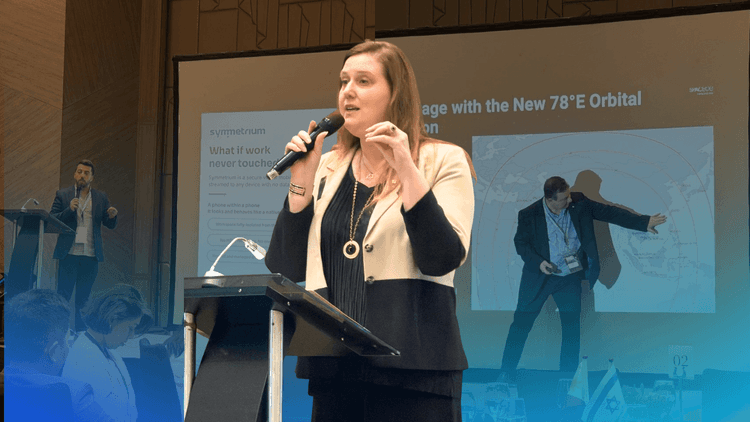
Israeli technology companies are looking to deepen partnerships with Filipino stakeholders in the areas of mobile resiliency, cybersecurity, satellite connectivity, digital infrastructure, and disaster preparedness as the Philippines continues to strengthen its digital economy and national resilience capabilities.
The opportunities were highlighted during the Mobile Resiliency Forum, which brought together the Embassy of Israel, TradeIL Philippines, Israeli technology firms, ICT advocates, and Filipino industry stakeholders for presentations, pitching sessions, roundtable discussions, and business-to-business meetings.
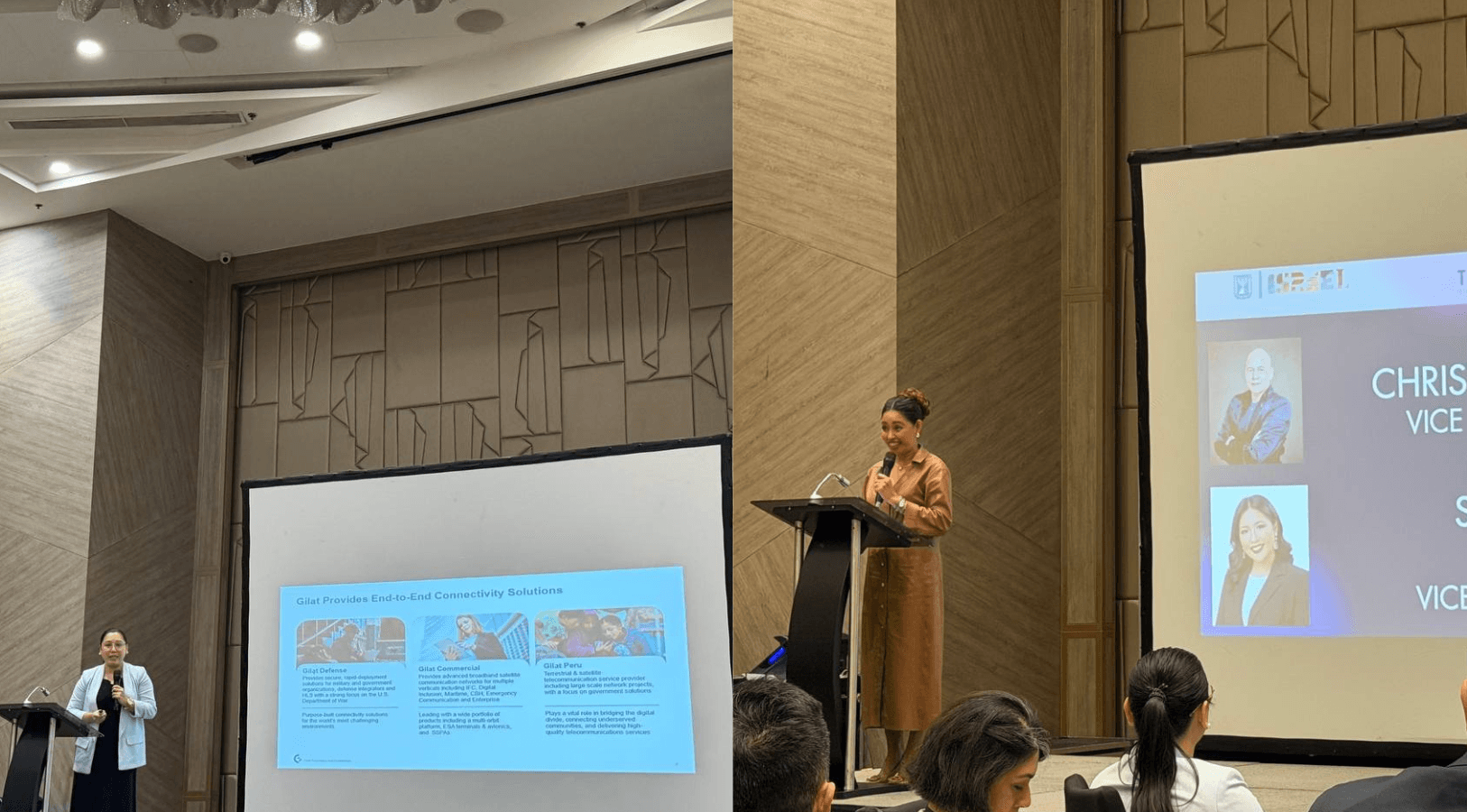
Among the key guests and participants were Her Excellency Dana Kirsch, Ambassador of Israel to the Philippines; Ariel Seidman, Deputy Ambassador of Israel to the Philippines; Ofek Venecianer, TradeIL Philippines Economic Counsellor; Shera Ann Sabbun, Vice President of ICTIC; Christian Maristela, Vice Chairman of ICTIC; representatives of Israeli technology companies; ICT advocates; and Filipino industry stakeholders.
In her opening remarks, Ambassador Kirsch underscored the importance of connectivity as a foundation for resilience, especially in a country like the Philippines, where natural disasters can disrupt communities, schools, businesses, and critical services. She emphasized that preparedness requires stronger cooperation and that technology can help communities endure and recover from crises.
The forum focused on the shared strengths and needs of both countries. Israel was presented as a hub of innovation, particularly in cybersecurity, satellite technology, ICT, and digital solutions. The Philippines, meanwhile, was positioned as a growing digital market with a young, tech-savvy population, strong mobile usage, and an important role as a possible gateway to ASEAN.
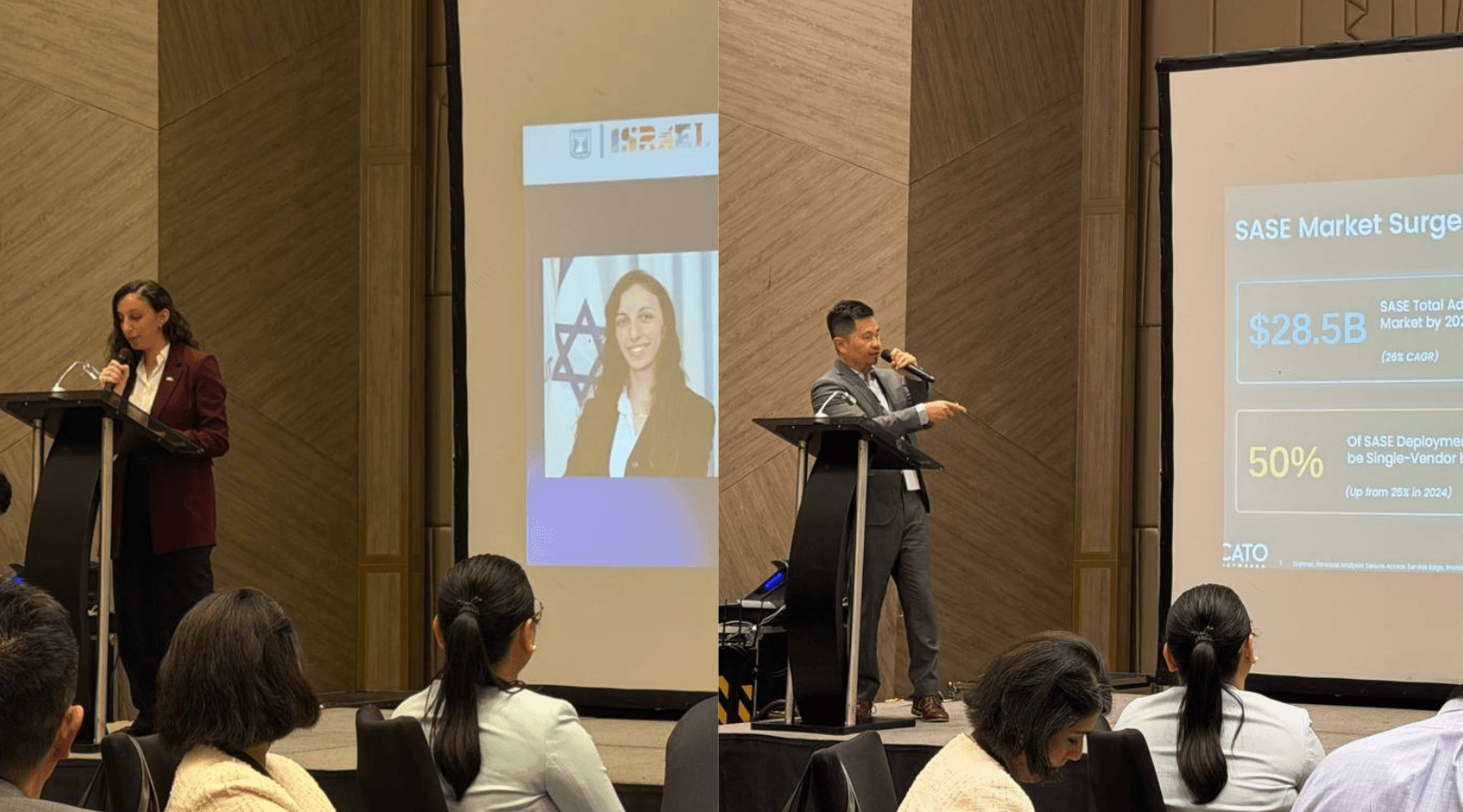
TradeIL Philippines Economic Counsellor Ofek Venecianer framed the forum as a platform for practical collaboration between Israeli innovators and Philippine stakeholders. She emphasized that resiliency in mobile and digital infrastructure is not only about protection, but also about continuity, adaptation, and people.
Connectivity, she noted, is essential to emergency response, financial systems, education, logistics, and daily communication, while technology should serve as a multiplier for human decision-making, coordination, and trust.
In her keynote address, Shera Ann Sabbun, Vice President of ICTIC, positioned the Philippines as more than a back-office destination, but as an emerging digital hub for the Asia-Pacific. She highlighted the country’s young, English-proficient, and tech-savvy workforce, expanding digital infrastructure, and strong potential as a gateway to ASEAN.
Sabbun also called on Israeli companies to look beyond product sales and explore deeper partnerships in research and development, joint ventures, talent development, and ecosystem-building. She identified three major areas of convergence for Israel and the Philippines: advanced technology and secure infrastructure, sustainability and green technology, and social impact through financial inclusion, telehealth, and remote education.
Christian Maristela, Vice Chairman of ICTIC, also addressed the forum, reinforcing ICTIC’s role as a bridge among technology providers, industry players, government, private sector partners, and communities. He emphasized the need for collaboration with global technology partners, including Israel, to help bring reliable and high-grade technological solutions to the Philippines and strengthen network resiliency across sectors.
ICTIC was introduced as a non-profit, non-government organization advocating stronger collaboration among technology, industry, people, and communities. Its participation underscored the importance of multi-stakeholder cooperation in helping the Philippines better understand, adopt, and implement global technology solutions that can support national resiliency.
Several Israeli companies presented solutions relevant to Philippine conditions.
Symmetrium introduced a secure virtualized mobile workspace solution designed for governments, healthcare institutions, banks, financial services, insurance firms, and large enterprises. Its approach allows users to access applications and sensitive information through a mobile-like virtual environment without storing data on the physical device. The solution was presented as a way to address concerns related to bring-your-own-device policies, corporate-issued devices, data privacy, and regulatory compliance.
CATO was also among the featured Israeli companies at the forum, presenting its technology offering as part of the broader discussion on secure, resilient, and scalable digital infrastructure. Its participation added to the forum’s focus on helping Philippine organizations explore practical solutions for connectivity, cybersecurity, and operational continuity, especially as businesses and public institutions increasingly depend on always-on digital systems.
SpaceCom presented its satellite communications capabilities and interest in working with Filipino partners. The company discussed satellite broadband coverage for the Philippines and emphasized a partner-first approach involving mobile network operators, internet service providers, enterprises, and government organizations. Its services were positioned for use in remote communities, islands, enterprise sites, broadcasting, remote monitoring, public connectivity projects, and emergency communications.
Gilat Satellite Networks, on the other hand, presented satellite-based connectivity solutions for an archipelagic and disaster-prone country. The company highlighted applications in digital inclusion, education, healthcare, maritime connectivity, in-flight connectivity, enterprise connectivity, and cellular backup. Its presentation emphasized the importance of keeping connectivity alive during major disruptions such as earthquakes and other natural disasters.
The event was designed not merely as a series of presentations, but as a platform for collaboration. A 30-minute facilitated B2B roundtable allowed participants to raise pain points, ask questions, and discuss possible solutions directly with Israeli companies and facilitators. The roundtable was followed by one-on-one B2B meetings to help move conversations toward concrete partnerships.
For the Philippines, the discussions underscored the urgency of building stronger, more resilient digital infrastructure across more than 7,000 islands. For Israel, the forum offered a pathway to bring advanced technologies into a market where connectivity, cybersecurity, and disaster preparedness are increasingly national priorities.
The forum was a call for deeper Israel-Philippines collaboration: to transform technology from a business opportunity into a tool for resilience, inclusion, and continuity for communities that need it most.