
Global Tech Outages Put Spotlight on Internet Reliability as Meta Services Report Disruptions
By NET25 News
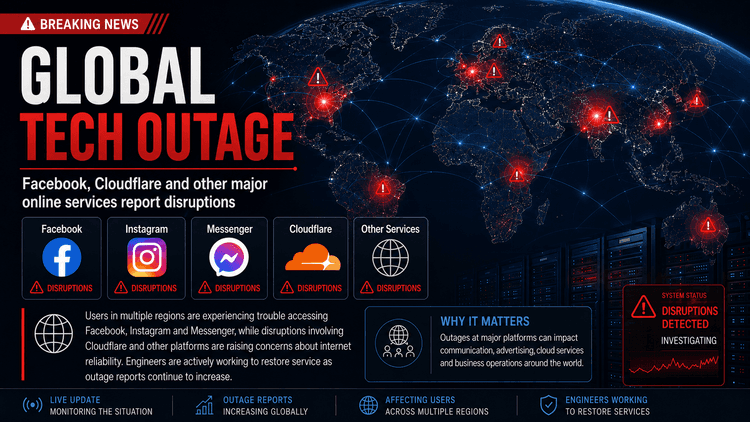
A widespread disruption affecting Meta-owned platforms Facebook and Instagram on Friday renewed public concern over how dependent users, businesses, advertisers and news organizations have become on a small number of major digital platforms.
According to outage-tracking data cited by Reuters, more than 62,000 users reported problems with Facebook, while more than 8,000 reports were logged for Instagram around 10:11 a.m. Eastern Time. Meta spokesperson Andy Stone acknowledged the issue and said the company was working to resolve the problem.
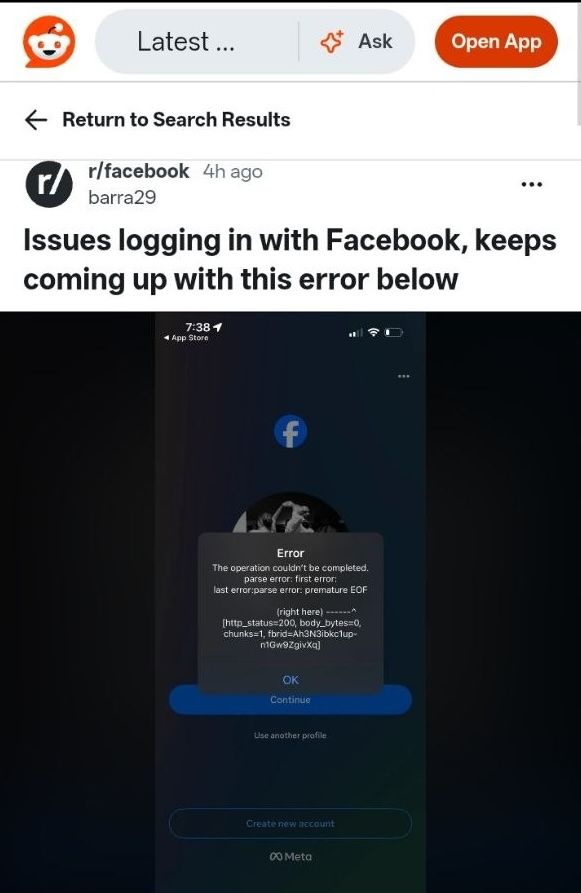
Users reported difficulty accessing feeds, logging in, uploading content and using platform features. For many, the outage created immediate confusion as Facebook, Instagram and Messenger are widely used not only for personal communication but also for business pages, advertising campaigns, community announcements and customer service.
The incident also revived a broader question for the digital economy: what happens when the platforms people rely on every day suddenly become unavailable?
Major technology outages are no longer isolated inconveniences. They can disrupt communication, advertising, online selling, content distribution, customer support, payments, workplace tools and even public information channels. For small businesses, a few hours of downtime on social media platforms can mean missed sales, delayed responses and interrupted marketing campaigns. For news organizations and public communicators, outages can affect the ability to distribute urgent updates to audiences.
The Meta disruption comes at a time when attention is also focused on the reliability of internet infrastructure providers such as Cloudflare, Google Cloud, Amazon Web Services and other companies that help power websites, apps, cybersecurity protections, content delivery and online traffic routing.
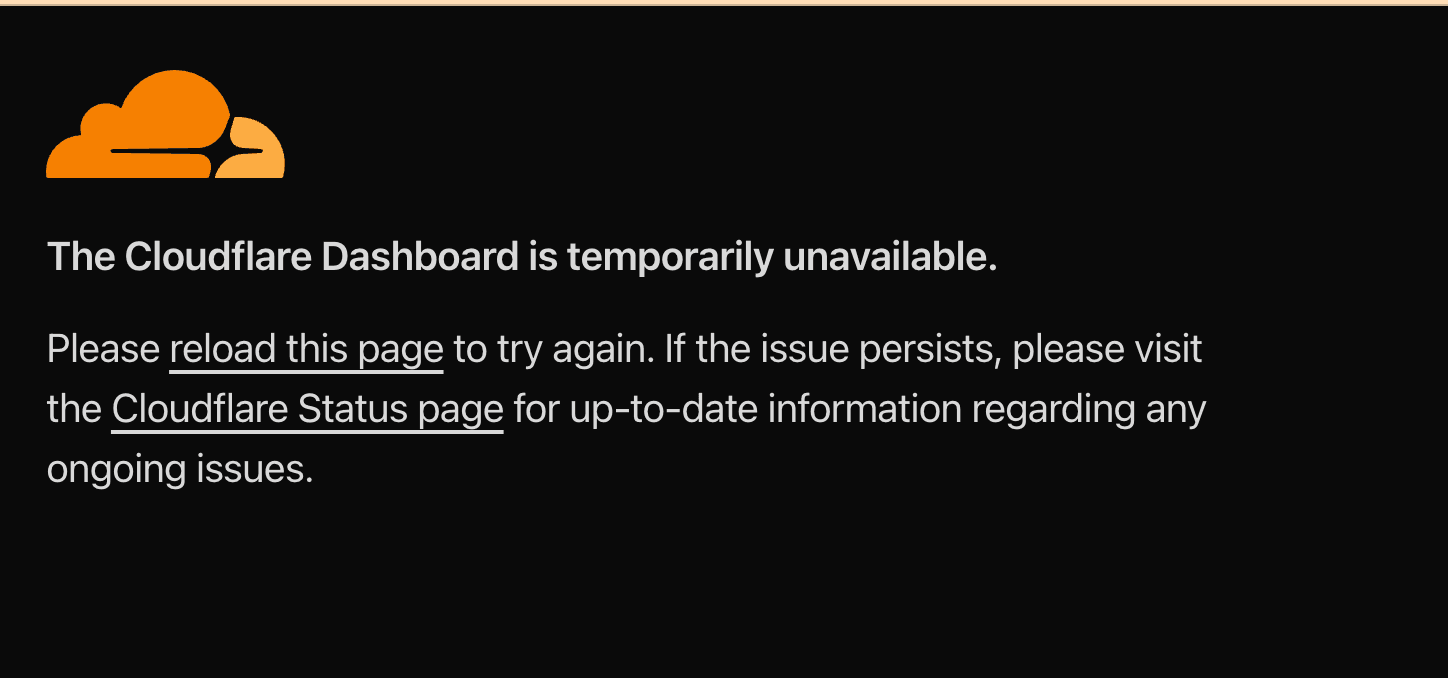
Cloudflare’s public status page on Friday listed a resolved billing-related user interface issue, but did not show a confirmed broad global Cloudflare outage. Still, the mention of Cloudflare in online outage discussions reflects how much the public now associates internet stability with a handful of major infrastructure providers.
That concern is not without reason. When a cloud, content delivery, DNS or security provider experiences problems, the impact can extend far beyond one website. Many users may not know the name of the infrastructure company involved, but they immediately feel the effect when apps fail to load, websites return errors or online services slow down.
Recent cloud infrastructure incidents have shown how physical facilities, routing systems and third-party data centers can affect digital services. Earlier this week, Google Cloud reported network disruption in parts of India after a fire at a third-party data center triggered an emergency shutdown and reduced available network capacity.
These incidents underscore a basic reality of the modern internet: the digital world depends on physical infrastructure. Data centers, network routes, undersea cables, cloud regions, security layers and traffic-management systems all work behind the scenes. When one part of that system fails, millions of users may experience the result as a simple error message on a phone screen.
For ordinary users, the lesson is practical. Important communication should not depend on only one platform. Businesses should maintain alternative channels such as email lists, websites, SMS alerts or other social media accounts. Organizations that rely heavily on social media for public announcements should also have backup distribution plans.
For companies and government agencies, the message is even more urgent. Digital resilience should include redundancy, incident-response planning, platform diversification and clear communication during outages. As more public services, business operations and media distribution move online, reliability becomes not just a technical requirement but a public trust issue.
Friday’s disruption may eventually be resolved as a temporary technical failure. But its impact points to a larger challenge: the world’s digital life is increasingly concentrated on a few platforms and infrastructure providers.
When they work, the internet feels instant and invisible. When they fail, users are reminded how fragile that convenience can be.